
Success Stories
at Thermal Cooling Tower ...

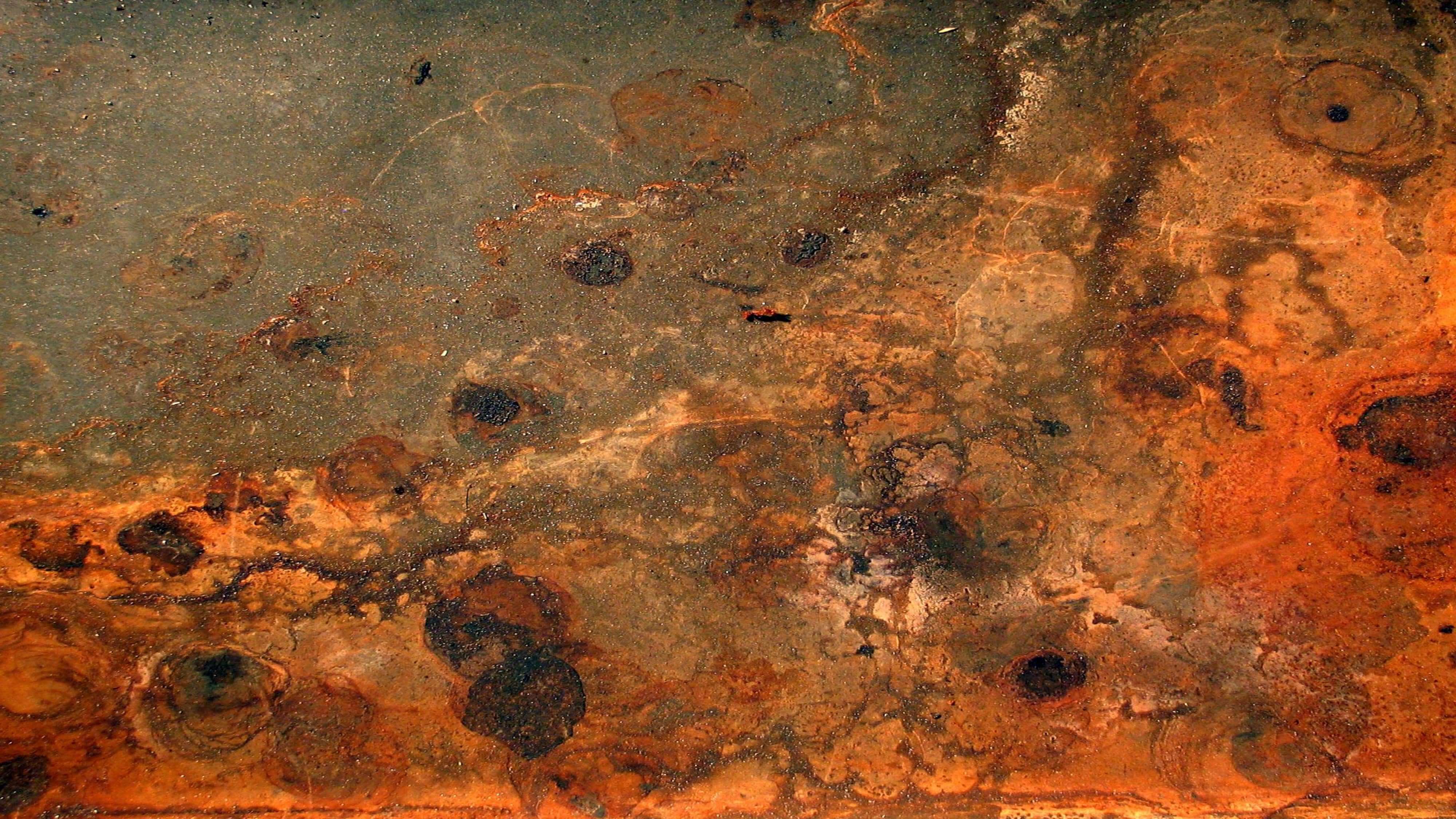
Corrosion in Cooling Systems
Corrosion is due to low pH values (below 7.5) and the presence of free mineral acidity (H2SO4) and HC1), carbon dioxide and carbonic acid (H2CO3).
It causes thinning of the metal parts, unnecessary stoppages for corrective maintenance, forms insulating deposits in pipes, gives the system water a bad appearance.
Corrosion Factors in a Cooling Tower
ALGAE: They are chlorophyll microorganisms capable of multiplying rapidly and producing large masses of plant matter. The most important species of algae are located in places where they have access to sunlight and air.
In the presence of sunlight, the photosynthesis process takes place, with the consequent release of oxygen.
SILT: Silt indicates an excessive presence of bacteria in the face tower.
The data to the system for algae and silt are similar to those caused by scale, the adhesion of algae and bacteria to the internal surface of condenser tubes and water lines, resulting in biological dirt and corrosion.
MUSHROOMS: Non-chlorophilic microorganisms.
The presence of excessive silt and bacteria can produce unpleasant odors. Dead algae and silt lodged in condensing units can cause clogging of filter screens. Fungi can cause deterioration of the woods with which some cooling towers are built.
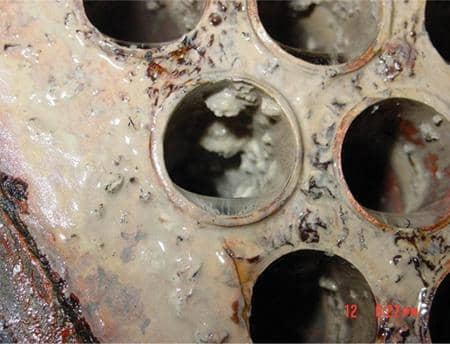
According to the type of system, the most frequent problems are:
Air conditioning system, contamination of the exterior of the pipes, caused by atmospheric pollutants (grease and dirt).
Chiller system, Corrosion of pipes, caused by acidification of water, electrochemical reaction of oxide with water.
Cooling Tower / Condenser Systems, Scaling, Increase in salts due to evaporation, corrosion, acidification of water (development of carbonic acid). Sludge formation, Microorganisms. Organic matter floating in the air.
Refrigeration System, Corrosion.
 Previous
 at Thermal Cooling Tower ...


We will assign one of our Cooling Tower experts.
OUR COMMERCIAL PARTNERS